

Asphalt driveways and parking lots across Minnesota face some of the harshest weather conditions in the country. From freezing winters and heavy snowfall to humid summers and fluctuating temperatures, your pavement takes a beating year-round. Proper asphalt maintenance is essential to protect your investment and extend the life of your asphalt surface. One of the most important maintenance steps is sealcoating—but how often should you do it?
At Gopher State Sealcoat, property owners throughout the Twin Cities metro frequently ask about the right schedule for protecting their pavement. The answer depends on several factors, including traffic volume, weather exposure, and the condition of your asphalt. Understanding these elements can help you make the best decision for your driveway or commercial lot.
Why Sealcoating Is Essential in Minnesota
Sealcoating is a protective layer applied over asphalt to shield it from damage caused by UV rays, water, chemicals, and traffic wear. Without this protective barrier, asphalt begins to oxidize, dry out, and crack. In Minnesota’s freeze-thaw climate, small cracks quickly turn into larger structural issues.
When water seeps into cracks and freezes during winter, it expands and widens those cracks. Over time, this leads to potholes and base failure. Sealcoating reduces water penetration and slows the aging process, helping your pavement last significantly longer.
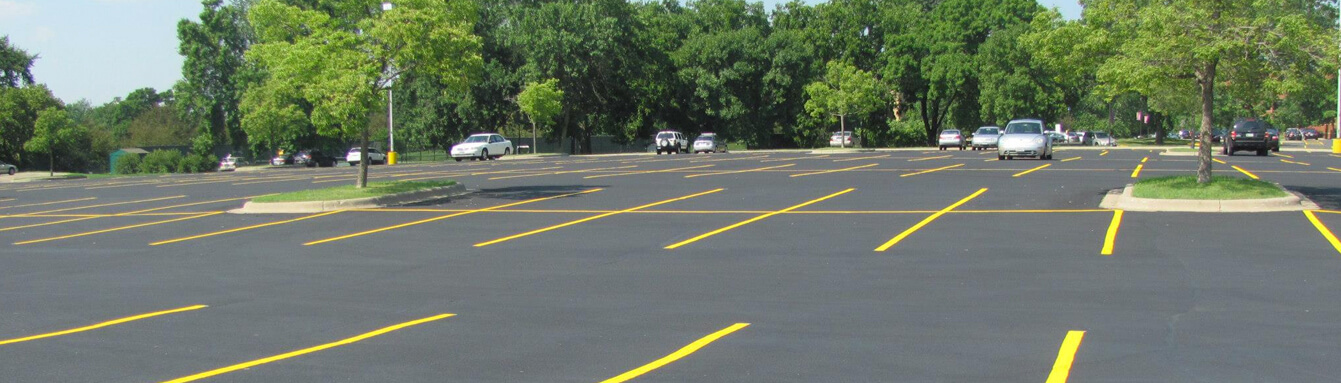
Beyond protection, sealcoating also restores the rich black appearance of asphalt, improving curb appeal and giving residential and commercial properties a well-maintained look.
General Rule: Every 2–3 Years
For most residential driveways in Minnesota, sealcoating every 2 to 3 years is recommended. This timeframe allows the protective coating to wear naturally without leaving the asphalt exposed for too long.
Commercial properties, such as parking lots with moderate to heavy traffic, may require sealcoating closer to every 2 years. High-traffic surfaces experience more friction and faster coating breakdown.
However, this is a general guideline. The exact timing depends on several important factors.
Key Factors That Affect Sealcoating Frequency
1. Weather Exposure
Minnesota’s extreme seasonal changes accelerate asphalt deterioration. Intense summer sun oxidizes the surface, while winter ice and snow cause expansion and contraction. If your pavement is fully exposed to the elements without shade or wind protection, it may need more frequent sealcoating.
2. Traffic Volume
A private driveway used by one or two vehicles will not wear down as quickly as a busy retail parking lot. The more traffic your asphalt handles, the sooner the protective layer breaks down.
3. Snow Removal Methods
Aggressive snow plowing, metal shovel scraping, and the use of de-icing chemicals can wear away sealcoat faster. If your property undergoes heavy winter maintenance, more frequent inspections are recommended.
4. Age of the Asphalt
New asphalt should typically cure for 6–12 months before the first sealcoat application. After that, regular maintenance begins. Older asphalt may require crack filling and repairs before sealcoating to ensure proper adhesion.
Signs Your Asphalt Needs Sealcoating
You don’t always need to rely solely on a timeline. Visual inspection is just as important. Here are some clear indicators that it may be time for a new coat:
- The surface has faded from deep black to gray
- Small cracks are beginning to appear
- Water no longer beads on the surface
- The pavement feels rough or brittle
- Oil and chemical stains are noticeable
- Previous sealcoat appears thin or worn
If you notice several of these signs, scheduling service soon can prevent larger, more expensive repairs.
The Cost of Waiting Too Long
Delaying sealcoating can lead to serious consequences. Asphalt that remains unprotected becomes brittle and more vulnerable to cracking. Once cracks deepen and water reaches the base layer, structural damage begins.
At that stage, simple maintenance may no longer be enough. Instead of an affordable sealcoating service, you may face crack sealing, patching, or even full resurfacing. Preventative care is always more cost-effective than major repairs.
Best Time of Year to Sealcoat in Minnesota
Timing matters just as much as frequency. Sealcoating requires specific temperature conditions to cure properly. The ideal window in Minnesota is typically between late spring and early fall, when temperatures consistently stay above 50°F.
Summer is often the most reliable season because warm temperatures allow the sealcoat to dry and bond correctly. Attempting application in colder weather can lead to poor adhesion and reduced durability.
Planning ahead ensures your project is completed during optimal weather conditions, avoiding rushed jobs late in the season.
Residential vs. Commercial Sealcoating Schedules
Residential Driveways
Most homeowners can maintain their driveways with sealcoating every 2–3 years. Light traffic and smaller surface areas generally mean slower wear. However, driveways exposed to direct sunlight all day may need attention closer to the 2-year mark.
Commercial Parking Lots
Businesses often require a stricter maintenance schedule. Parking lots with steady traffic, delivery vehicles, or heavy equipment may benefit from sealcoating every 2 years to maintain safety and appearance.
Regular maintenance also demonstrates professionalism and protects property value.
Professional Application Makes a Difference
While DIY sealcoating products are available, professional application delivers better, longer-lasting results. Commercial-grade materials, proper surface preparation, and expert application techniques ensure even coverage and durability.
Professionals begin by thoroughly cleaning the surface, repairing cracks, and preparing the asphalt for maximum adhesion. Skipping these steps can shorten the lifespan of the sealcoat.
Working with experienced contractors helps you determine the right schedule for your specific pavement conditions rather than following a one-size-fits-all approach.
How Sealcoating Protects Your Investment?
Sealcoating is not just about appearance—it is about long-term financial protection. Asphalt replacement is a major expense. Routine maintenance significantly extends pavement life, sometimes doubling its usable years.
For property owners searching for reliable seal coat mn services, understanding maintenance timing is key to preventing premature deterioration. Investing in regular sealcoating reduces overall lifecycle costs and keeps your pavement structurally sound.
Customized Maintenance Plans
No two properties are exactly alike. Factors such as soil conditions, drainage patterns, traffic type, and surrounding landscape all influence wear patterns.
A professional inspection helps determine:
- Current pavement condition
- Existing crack severity
- Drainage effectiveness
- Traffic impact
- Recommended repair work before sealcoating
Based on this evaluation, a customized maintenance schedule can be created to protect your asphalt year after year.
Long-Term Benefits of Staying on Schedule
Property owners who stick to a consistent sealcoating plan enjoy several long-term benefits:
- Extended pavement lifespan
- Reduced need for major repairs
- Improved property appearance
- Better resistance to moisture damage
- Enhanced safety with clearly visible striping
Regular maintenance also prevents the surface from becoming brittle, which is especially important in Minnesota’s fluctuating climate.
How Often Is Too Often?
Some property owners wonder if annual sealcoating is better. In most cases, sealcoating every year is unnecessary unless the surface experiences extremely heavy wear. Over-application can lead to buildup and peeling if previous layers have not worn down properly.
Allowing 2–3 years between applications typically provides the ideal balance of protection and performance for Minnesota properties.
Final Recommendation
For most asphalt surfaces in Minnesota, sealcoating every 2 to 3 years is the optimal schedule. However, weather exposure, traffic levels, and surface condition can shift that timeline slightly. Regular inspections and preventative maintenance ensure your pavement remains protected from the state’s harsh climate.
If you are considering professional seal coat mn services, scheduling an evaluation can help determine whether your driveway or parking lot is ready for its next protective layer.
Contact Us
Protect your asphalt investment with expert service from Gopher State Sealcoat. Whether you need a residential driveway refreshed or a commercial parking lot maintained, our team is ready to help.
Phone: 952-931-9188
Email: info@GSSeal.com
Reach out today to schedule your consultation and keep your pavement strong, safe, and looking its best for years to come.