

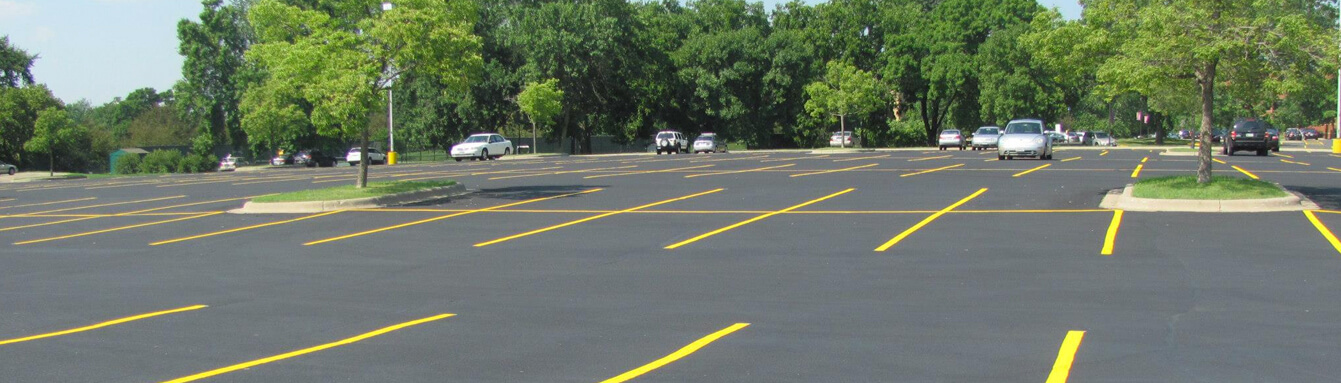
A well-maintained parking lot does more than provide a place for vehicles — it reflects the professionalism of your property and ensures safety for tenants, visitors, and employees. Cracked pavement, faded striping, and potholes can quickly create hazards and give the impression of neglect. For property managers across the Twin Cities metro — including Minneapolis, St. Paul and surrounding communities — proactive parking lot care is not an expense. It’s an investment in long-term asset protection.
At Gopher State Sealcoat, we understand the unique challenges that Minnesota weather brings to asphalt surfaces. From brutal freeze-thaw cycles to heavy traffic loads, your parking lot requires consistent attention to stay in top condition. Below are essential parking lot maintenance tips every Twin Cities property manager should know.
Why Parking Lot Maintenance Matters in the Twin Cities?
Your parking lot is often the first thing people see when they arrive at your property. A smooth, clearly marked surface communicates professionalism and care. More importantly, proper asphalt maintenance in the Twin Cities helps:
- Prevent costly structural damage
- Improve safety and reduce liability risks
- Extend the lifespan of asphalt
- Enhance curb appeal and property value
- Ensure compliance with ADA and local regulations
Ignoring minor issues can quickly lead to major repairs. Small cracks allow water infiltration, which weakens the base and causes potholes. Minnesota’s harsh winters accelerate this process dramatically. Routine inspections and timely service are key to avoiding expensive reconstruction for commercial properties throughout the Twin Cities area.
Conduct Regular Inspections:
One of the simplest yet most effective maintenance strategies is routine inspection. Walk your parking lot at least once every quarter and after major weather events — especially following the Twin Cities’ notoriously harsh winters and spring thaw seasons.
Look for:
- Surface cracks
- Potholes
- Drainage issues
- Faded striping
- Pooling water
- Oil and chemical stains
Catching these problems early allows you to schedule repairs before damage spreads. Minneapolis and St. Paul properties face some of the most extreme freeze-thaw cycles in the country, with temperatures swinging dramatically between seasons.
Even small cracks can rapidly worsen under these conditions, making regular inspections a non-negotiable part of asphalt damage prevention in the Twin Cities.
Sealcoating: Your First Line of Defense Against Minnesota Weather
Sealcoating acts as a protective barrier for asphalt surfaces. It shields pavement from UV rays, moisture, oil spills, and oxidation. Without sealcoating, asphalt becomes brittle — and Twin Cities winters will exploit every weakness, leading to accelerated cracking and surface deterioration.
Most commercial parking lots in Minneapolis, St. Paul, and surrounding suburbs benefit from sealcoating every 2–3 years, depending on traffic levels and climate exposure. For property managers seeking reliable asphalt protection, professional sealcoating services ensure long-term protection and improved surface appearance.
Sealcoating also restores the rich black finish of asphalt, giving your Twin Cities commercial property a clean and professional look that makes a strong first impression year-round.
Repair Cracks Before They Spread
Crack filling is one of the most cost-effective maintenance practices available. Even hairline cracks allow water to penetrate the asphalt base. Once water freezes and expands, cracks widen and deepen.
There are different types of cracks to watch for:
- Linear cracks from temperature changes
- Alligator cracks indicating structural weakness
- Edge cracks caused by poor drainage
Prompt crack filling prevents minor surface issues from developing into potholes or widespread structural damage. Addressing cracks early can significantly reduce long-term repair costs for commercial properties throughout the Twin Cities.
Address Potholes Immediately
Potholes are more than an inconvenience—they are safety hazards and liability risks. Vehicles can suffer tire or suspension damage, and pedestrians may trip and fall.
Potholes form when water seeps beneath the surface and weakens the base. Heavy traffic then causes the asphalt to collapse. Quick patching is essential to prevent further deterioration.
Temporary cold patches can serve as short-term solutions, but permanent hot-mix repairs provide long-lasting results. Partnering with a professional contractor ensures repairs are done correctly the first time.
Maintain Proper Drainage
Water is asphalt’s biggest enemy. Poor drainage leads to standing water, which accelerates deterioration and weakens the pavement structure.
Ensure your parking lot has:
- Proper slope for runoff
- Functional storm drains
- Clear catch basins
- No debris blocking drainage systems
Routine cleaning of drainage systems prevents water buildup and protects your pavement investment. If you notice persistent pooling, consult a professional to evaluate grading and drainage design.
Keep Parking Lot Striping Visible and Compliant
Clear striping is essential for traffic flow, safety, and ADA compliance. Over time, paint fades due to traffic and weather exposure.
Re-striping should be done as needed to:
- Improve traffic organization
- Ensure handicap accessibility compliance
- Maximize parking capacity
- Enhance visual appeal
Parking lot striping for Twin Cities businesses keeps your property looking organized and professional. Bright, crisp lines also reduce confusion and potential accidents for customers, tenants, and employees.
Seasonal Maintenance Planning
Minnesota’s climate demands a strategic approach to parking lot care. Property managers should align maintenance tasks with seasonal conditions.
Spring:
Inspect for winter damage, repair cracks and potholes, and schedule sealcoating.
Summer:
Ideal time for major repairs, resurfacing, and striping due to warm temperatures.
Fall:
Prepare pavement for winter by sealing cracks in the fall and ensuring drainage systems are completely clear before the ground freezes.
Winter:
Use proper snow removal techniques to avoid damaging asphalt surfaces. Avoid metal plows scraping directly against pavement.
Planning maintenance according to seasons prevents weather-related damage and extends pavement life.
Develop a Preventative Maintenance Plan
Waiting for visible damage often results in higher costs for property managers across Minneapolis, St. Paul, and suburban Twin Cities communities. A preventative maintenance plan helps you budget effectively and avoid emergency repairs.
A comprehensive plan for Twin Cities commercial properties may include:
- Annual inspections
- Scheduled crack filling
- Routine sealcoating
- Drainage maintenance
- Striping updates
Working with experienced local professionals ensures your plan is customized to your property’s size, traffic volume, and Twin Cities environmental exposure. Explore pro-level asphalt maintenance tips that extend pavement life and learn how proper asphalt maintenance prevents costly repairs over time.
Understand When Resurfacing Is Necessary
Even with proper maintenance, asphalt at Twin Cities commercial properties eventually reaches the end of its lifespan. Minnesota’s extreme temperature swings — from -20°F winters to 90°F summers — accelerate wear more than in most other states. If your parking lot has widespread cracking, severe potholes, or base failure, resurfacing may be the best option.
Resurfacing involves applying a new asphalt layer over the existing surface. It restores structural integrity and appearance without the cost of full replacement.
Signs resurfacing may be needed:
- Extensive alligator cracking
- Multiple recurring potholes
- Uneven surfaces affecting drainage
- Pavement older than 15–20 years
Consulting with a professional Twin Cities contractor helps determine whether repairs or resurfacing is the most cost-effective solution for your specific property.
Choose a Trusted Local Contractor
Not all asphalt contractors provide the same level of expertise — and in the Twin Cities market, local knowledge of Minnesota’s climate conditions makes a significant difference. Property managers should look for:
- Proven experience
- Commercial project portfolio
- Proper licensing and insurance
- Positive customer reviews
- Transparent pricing
A reputable contractor will provide a detailed assessment and recommend practical solutions tailored to your property’s needs and Minnesota’s unique climate demands.
Gopher State Sealcoat specializes in commercial parking lot services across the Twin Cities, designed to protect and enhance your asphalt investment. With years of experience serving Minneapolis, St. Paul, and the surrounding metro, our team understands the specific challenges posed by Minnesota weather and high-traffic commercial environments.
Protect Your Investment with Proactive Care
Your parking lot is a valuable asset that requires consistent attention — especially in a climate as demanding as Minnesota’s. Preventative maintenance reduces long-term costs, improves safety, and maintains a positive image for your Twin Cities commercial property.
By implementing regular inspections, timely repairs, sealcoating, proper drainage management, and professional support, property managers in Minneapolis, St. Paul, and across the metro can significantly extend the lifespan of their asphalt surfaces.
Taking action early always costs less than waiting for extensive damage to occur.
Contact Gopher State Sealcoat — Serving the Twin Cities Metro
If you are ready to protect and enhance your parking lot, Gopher State Sealcoat is here to help. We proudly serve property managers throughout Minneapolis, St. Paul, and the greater Twin Cities metro area.
Phone: 952-931-9188
Email: info@GSSeal.com
Our experienced Twin Cities team provides reliable, high-quality asphalt solutions tailored to commercial properties. Reach out today to schedule an inspection and keep your parking lot safe, durable, and professional year-round.