


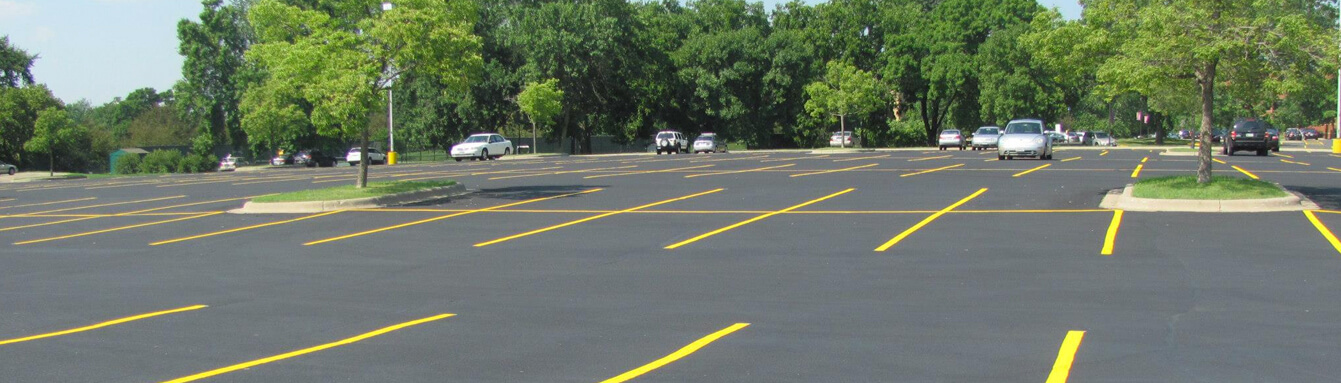
Every property owner in Minneapolis eventually faces the same question when they look out at their parking lot or driveway and notice the damage spreading across the surface: do I fix this, or do I start over? It’s not always an easy call to make, and making the wrong decision can cost you significantly more in the long run. Minnesota’s brutal freeze-thaw cycles, harsh winters, and heavy traffic loads put asphalt pavement through a unique kind of stress that accelerates wear faster than almost anywhere else in the country. Understanding the difference between a surface that needs targeted repairs and one that’s truly past its prime can save Minneapolis-area property owners thousands of dollars — and that’s exactly what this guide from Gopher State Sealcoat is here to help you figure out.
Understanding Why Asphalt Cracks in the First Place
Before deciding between repair and replacement, it helps to know what’s actually causing the damage. Asphalt is a flexible material, but it has its limits — especially in a climate like the Twin Cities.
The most common causes of asphalt cracking in the Minneapolis–St. Paul area include:
- Freeze-thaw cycles that force water deep into small surface openings, which then expand as it freezes
- UV oxidation that dries out the binder in asphalt, making it brittle over time
- Heavy vehicle traffic that exceeds the original load design of the pavement
- Poor drainage that allows water to pond and weaken the base layer underneath
- Age and deferred maintenance that allows minor issues to compound into structural failure
Knowing the root cause matters because it tells you whether a repair will actually hold or whether you’re simply patching over a deeper problem.
Signs That Crack Repair Is the Right Move
Not all cracked asphalt is doomed. In many cases, targeted crack repair is the most cost-effective and practical solution, especially when the pavement structure beneath is still sound. Asphalt Crack Sealing Minneapolis professionals look for specific indicators before recommending this approach.
Surface-Level or Linear Cracks
If you’re dealing with isolated linear cracks — often called longitudinal or transverse cracks — that haven’t branched out into a web pattern, crack sealing is typically the right first response. These cracks are usually caused by thermal expansion and contraction, and they haven’t yet compromised the structural integrity of the pavement base. Sealing them quickly prevents water intrusion, which is the real enemy.
Cracks That Are Less Than 1/2 Inch Wide
Narrow cracks that haven’t widened beyond half an inch are ideal candidates for hot crack sealing. Hot Crack Sealing Minneapolis services use a rubberized, heated sealant that flows into the crack, bonds to the asphalt edges, and creates a flexible seal that moves with the pavement through seasonal temperature changes. This is a highly effective method for extending pavement life when applied at the right time.
Pavement That’s Less Than 15–20 Years Old
If your asphalt was professionally installed within the last two decades and has been reasonably maintained, the base is likely still structurally sound. At this stage, a combination of crack sealing and sealcoating can add years of functional life to the surface without the expense of a full replacement.
Warning Signs That Point Toward Full Replacement
There are situations where crack sealing is simply buying time on a surface that has already exceeded its useful life. Investing in repairs on pavement that needs full replacement is one of the most common and costly mistakes property owners make.
Alligator Cracking (Fatigue Cracking)
If your pavement looks like the skin of an alligator — with interconnected cracks forming a pattern across wide sections of the surface — this is a sign of base failure. No amount of surface-level crack sealing will fix this. Alligator cracking indicates that moisture has penetrated the sub-base, causing it to shift and lose load-bearing capacity. Replacement is the only lasting solution.
Potholes and Significant Surface Depression
Potholes and depressions signal that the pavement structure has broken down at a deeper level. Patching individual potholes can be a short-term fix, but if they’re appearing across multiple areas of the same surface, you’re likely looking at systemic base failure. A full-depth reclamation or replacement will address the root cause rather than just the symptom.
Pavement Older Than 20–25 Years
Asphalt has a functional lifespan of roughly 20 to 30 years depending on installation quality, traffic load, and maintenance history. Once pavement crosses this threshold, the cost-benefit math on repairs starts to shift. You may be spending repair money every year or two on a surface that’s simply reached the end of its service life. A professional asphalt repair assessment can tell you exactly where you stand.
The Role of Preventive Maintenance in Extending Pavement Life
The single most effective thing a property owner can do is intervene early — before minor cracking becomes structural damage. Asphalt Crack Sealing Minneapolis services, combined with regular sealcoating, are the cornerstone of any smart pavement maintenance plan. Sealcoating fills in surface voids, blocks UV oxidation, and repels water and petroleum products that degrade the asphalt binder. For commercial properties throughout Minneapolis and St. Paul, a scheduled maintenance program that includes periodic inspection, crack sealing, and sealcoating can realistically double the life of a parking lot compared to a no-maintenance approach.
What a Proactive Maintenance Schedule Looks Like
- Year 1–3: Initial sealcoating after new installation cures
- Every 3–5 years: Reapply sealcoat as needed based on surface wear
- As needed: Seal any new cracks before the next winter season
- Annually: Professional inspection to assess overall pavement condition
Commercial Properties Have More at Stake
For business owners managing commercial parking lots in Minneapolis or St. Paul, pavement condition isn’t just a maintenance issue — it’s a liability and a first impression. Cracked, deteriorating pavement can expose businesses to slip-and-fall liability, deter customers, and reduce property value. Commercial Sealcoating Minneapolis property managers trust helps protect that investment year over year. Getting on a regular maintenance schedule with a qualified local contractor is far more economical than letting a manageable problem turn into a full replacement project.
Why Local Expertise Matters in Minnesota
Pavement maintenance in Minnesota isn’t the same as it is in warmer climates. The ground freezes deeply here, and that freeze-thaw action puts unique stress on both the asphalt surface and the base beneath it. Working with a contractor who understands Twin Cities weather patterns, soil conditions, and seasonal timing is essential to getting repairs that actually last. Applying crack sealant when temperatures are too low, for instance, compromises adhesion and can lead to early failure.
Contact Gopher State Sealcoat
Whether your asphalt needs targeted crack repairs or a full evaluation to determine the best path forward, the team at Gopher State Sealcoat is ready to help. Serving Minneapolis, St. Paul, and the surrounding metro area, we specialize in asphalt maintenance, hot crack sealing, and commercial sealcoating services built for Minnesota conditions.
Phone: 952-931-9188
Email: info@GSSeal.com
Reach out today to schedule a free assessment and get honest, expert advice on whether your pavement needs repair, maintenance, or replacement.