

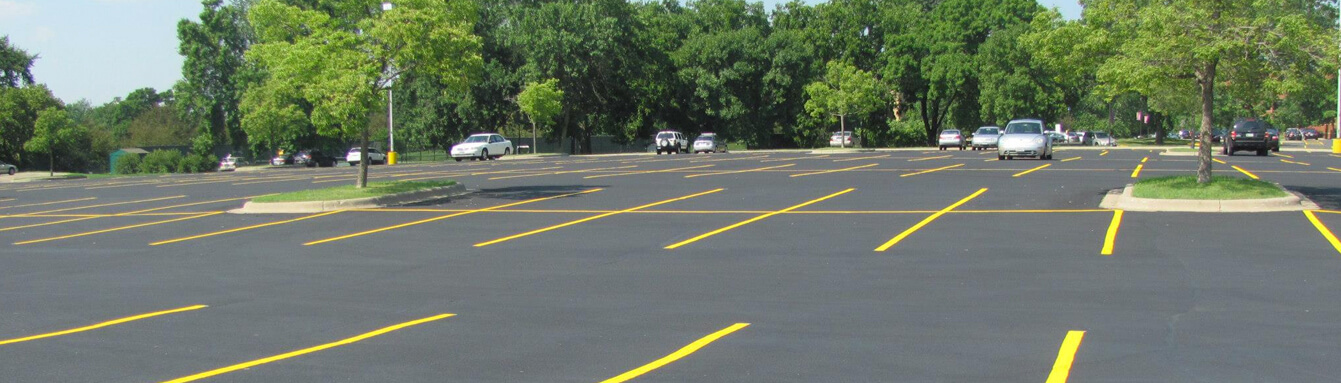
Minnesota’s climate is one of the harshest on pavement in the entire country. From the brutal freeze-thaw cycles of late winter to the scorching heat of July, asphalt in the Twin Cities and surrounding communities takes a beating year-round. Whether you own a commercial property in Edina, manage a parking lot in Bloomington, or maintain a residential driveway in Eden Prairie, protecting your pavement investment is not optional — it is essential. The good news is that sealcoating secrets that can double your pavement life in Minnesota are not really secrets at all. They are proven techniques and professional practices that, when applied correctly and consistently, dramatically extend the life of your asphalt and save you thousands of dollars in premature replacement costs.
Why Minnesota Pavement Ages So Fast?
The Science Behind Freeze-Thaw Damage
Minnesota averages more than 100 freeze-thaw cycles per year. Every time moisture seeps into a small crack in your asphalt, freezes overnight, and expands, it pushes the crack wider. By spring, what started as a hairline crack has become a pothole or a network of alligator cracks that signals structural failure. This cycle repeats relentlessly from October through April, making Minnesota one of the most demanding environments for asphalt surfaces in the United States.
UV Rays and Oxidation — The Summer Enemy
It is not just the cold that destroys pavement. Minnesota summers bring intense UV radiation that oxidizes the binders in asphalt, causing it to turn gray, become brittle, and lose its flexibility. An unsealed driveway or parking lot can lose significant structural integrity within just three to five years of installation, simply from sun exposure alone. This oxidation process is almost entirely preventable with routine asphalt maintenance during summer.
What Sealcoating Actually Does for Your Pavement?
Sealcoating is the application of a protective liquid coating — typically coal tar or asphalt emulsion-based — over the surface of existing asphalt. Think of it as sunscreen and a waterproof barrier rolled into one treatment. Here is what a quality sealcoat does for your pavement in a Minnesota climate:
- Blocks moisture infiltration, preventing the freeze-thaw damage that is the leading cause of pavement failure in the region
- Reflects UV rays, slowing the oxidation and brittleness that makes asphalt crack and crumble prematurely
- Resists fuel and oil spills, which chemically dissolve asphalt binders and create soft spots or potholes in parking lots
- Restores a rich, dark appearance that enhances curb appeal for homes and commercial properties alike
- Fills minor surface voids and small surface cracks, sealing them before water has a chance to penetrate
- Makes pavement easier to clean and maintain by creating a smooth, sealed surface that resists debris embedding
For a deeper look at the full list of benefits of asphalt sealcoating, it is worth reviewing what a proper treatment can do for long-term pavement health.
The Right Time to Sealcoat in Minnesota
Timing Is Everything in a Northern Climate
One of the most overlooked sealcoating secrets in Minnesota is timing. Sealcoat must be applied when temperatures are consistently above 50°F, both during application and for at least 24 hours afterward. This means the optimal window for sealcoating in the Minneapolis-St. Paul metro area and greater Minnesota is typically between late May and mid-September. Spring sealcoating is one of the most popular and practical windows property owners take advantage of after a long winter. Applying sealcoat outside this window risks poor adhesion, improper curing, and a wasted investment.
How Often Should You Sealcoat?
For most Minnesota properties, sealcoating every two to three years is the recommended maintenance schedule. New asphalt should cure for at least 90 days — ideally one full season — before its first sealcoat application. After that, maintaining a consistent schedule is far more cost-effective than waiting until visible damage appears. Proactive maintenance always costs less than reactive repair.
Professional Application vs. DIY — What Makes the Difference
Many property owners in communities like Minnetonka, Plymouth, and Burnsville attempt DIY sealcoating using products from home improvement stores. While the intent is right, the results rarely measure up to professional-grade application. There are also common sealcoating mistakes that can actually damage your asphalt rather than protect it — a risk that rises sharply with DIY approaches. Here is why professional sealcoating delivers superior results:
- Commercial-grade materials used by professionals like Gopher State Sealcoat have higher solid content and better durability than consumer products
- Proper surface preparation — including crack filling, cleaning, and degreasing — is essential for adhesion; professionals have the equipment and expertise to do this correctly
- Uniform application thickness requires commercial spray equipment; rollers and squeegees used in DIY projects often leave uneven coverage that fails prematurely
- Edge work and detail areas around curbs, garage floors, and utility covers require skill and precision that comes from experience
- Traffic control and curing management are handled professionally to ensure the coating sets properly before vehicle traffic resumes
Crack Filling — The Step That Cannot Be Skipped
Before any sealcoat is applied, every crack in your pavement must be properly filled and sealed. This step is non-negotiable in Minnesota, where unfilled cracks become water entry points that lead to catastrophic freeze-thaw damage over a single winter. Professional crack filling uses hot-applied rubberized crack filler that bonds to the existing asphalt and remains flexible through temperature extremes — flexing and contracting with the pavement rather than cracking apart like rigid fillers do.
Skipping crack filling before sealcoating is one of the most common and costly mistakes property owners make. Sealcoat applied over unfilled cracks will simply bridge the crack temporarily, and the underlying damage will continue to worsen. A complete pavement maintenance approach always starts with thorough crack repair.
Sealcoating for Commercial Properties Across the Twin Cities Metro
Commercial property managers in communities across the greater Minneapolis-St. Paul area — including Chaska, Shakopee, Prior Lake, and Savage — face unique challenges when it comes to pavement maintenance. High traffic volumes, heavy delivery vehicles, and the need to maintain business operations make scheduling and thoroughness especially important. Sealcoating secrets that can double your pavement life in Minnesota apply just as powerfully to commercial lots as to residential driveways, and understanding why sealcoating is essential for every commercial parking lot is worth exploring before your next maintenance cycle.
A well-maintained parking lot also signals professionalism to your customers. A cracked, faded lot communicates neglect; a freshly sealcoated surface communicates care and attention to detail. For retail centers, apartment complexes, churches, schools, and office parks throughout the metro, pavement maintenance is also property value maintenance.
What to Expect from a Professional Sealcoating Job
When you hire a reputable Minnesota sealcoating contractor, the process should follow a consistent, thorough sequence:
- Inspection and assessment of the pavement condition
- Cleaning with commercial blowers and brooms to remove all debris, dirt, and vegetation
- Degreasing of oil and fuel stains with chemical treatments
- Crack filling with hot-applied rubberized filler
- Edge detailing around curbs, buildings, and structures
- Sealcoat application in one or two coats depending on pavement condition
- Curing time — typically 24 to 48 hours before vehicle traffic
Understanding the full process of sealcoating helps property owners set the right expectations and plan accordingly. A professional job done right should last two to three years in Minnesota conditions before the next maintenance cycle is needed — and when weighing your options, it also helps to know the difference between sealcoating vs. asphalt resurfacing so you choose the right solution for your pavement’s actual condition.
Contact Gopher State Sealcoat for Expert Minnesota Pavement Protection
Protecting your pavement investment across Minnesota starts with a trusted local partner who understands the unique demands of our climate. Gopher State Sealcoat has served homeowners and commercial property owners throughout the Twin Cities metro and surrounding communities with professional sealcoating, crack filling, and pavement maintenance services built for Minnesota conditions.
Do not wait until cracks become potholes or your driveway needs full replacement. A proactive sealcoating schedule is the smartest, most affordable thing you can do for your asphalt this season.
Contact us today to schedule a free assessment:
- Phone: 952-931-9188
- Email: info@GSSeal.com